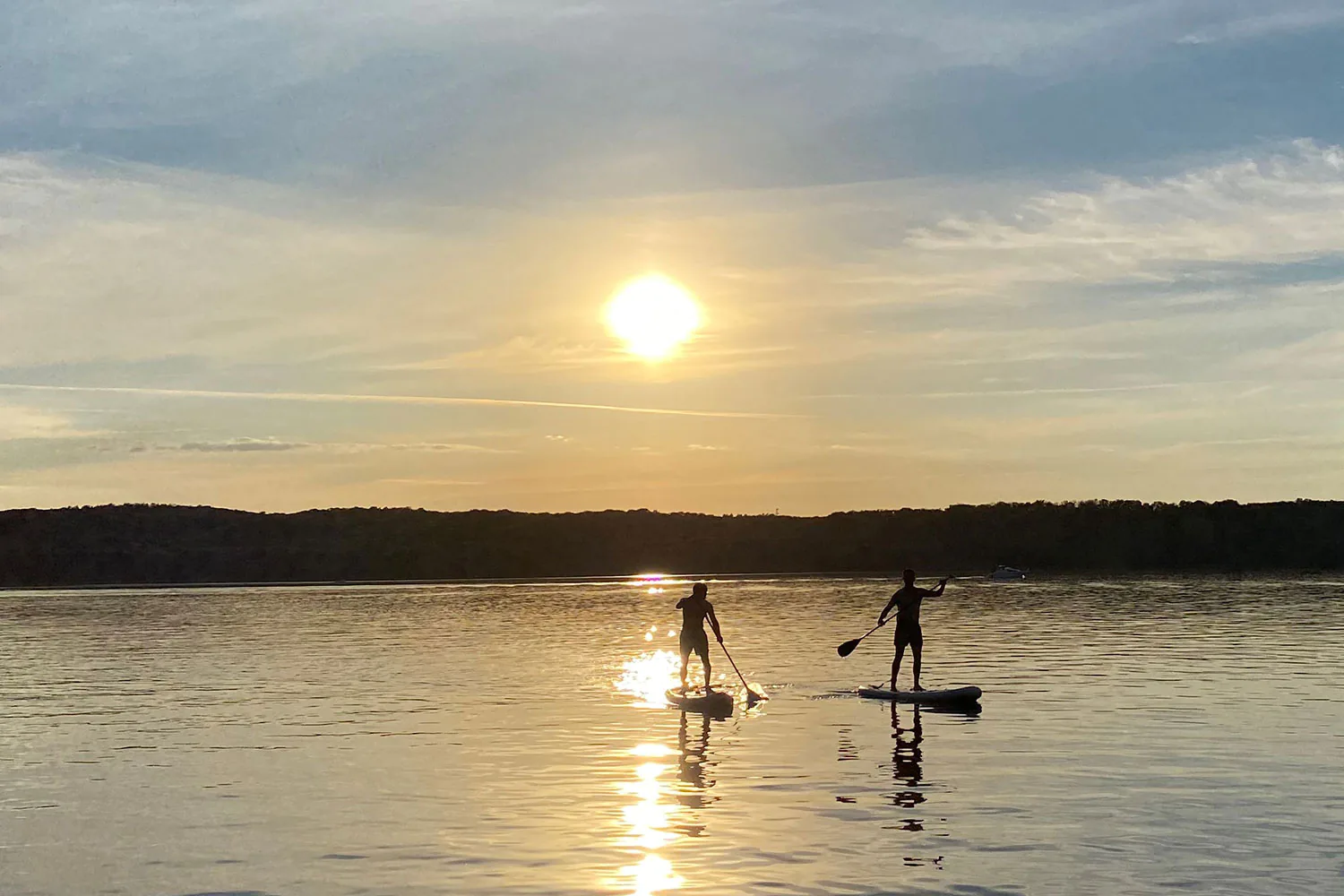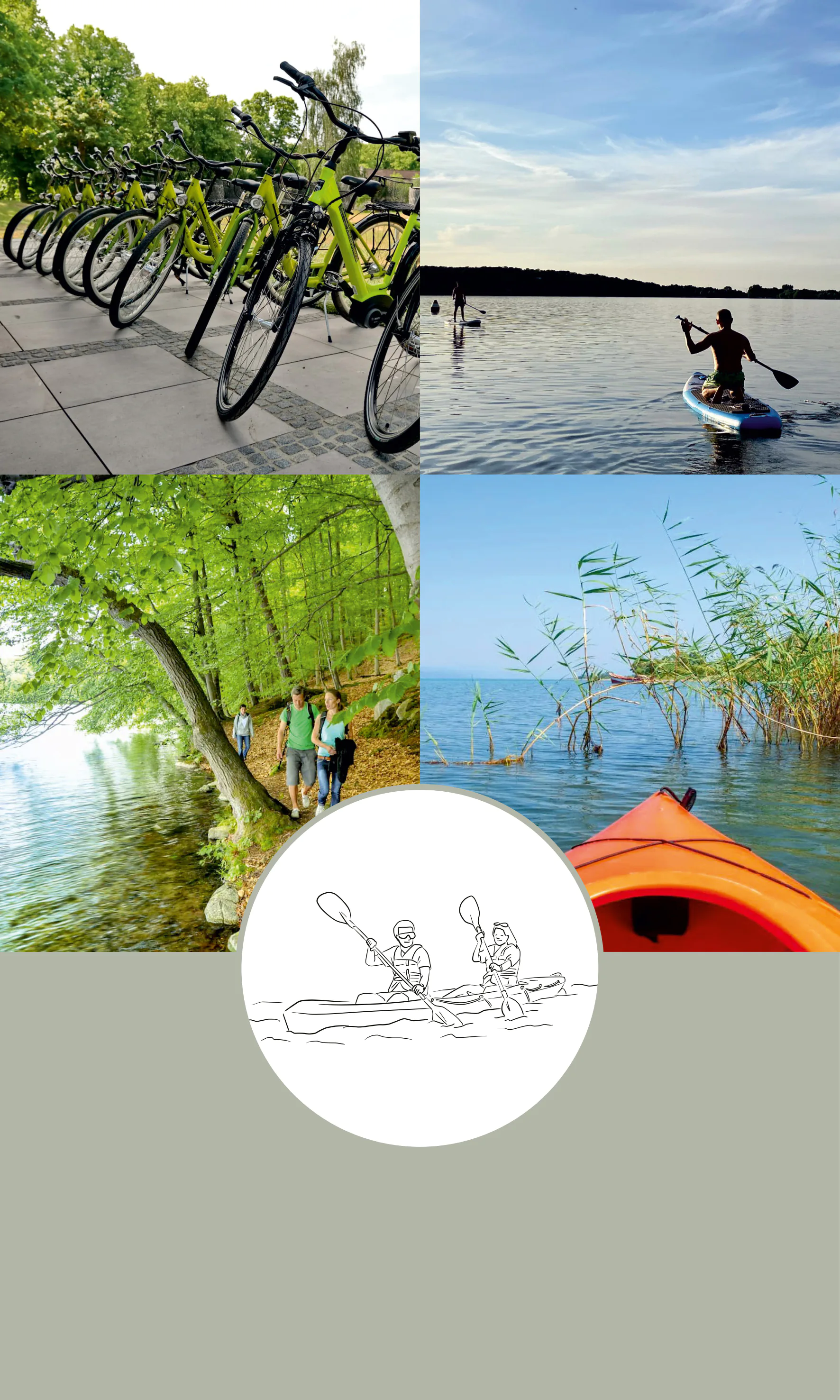
I spent a week at Nattika Ayurveda and came back so relaxed and refreshed. All the staff are very friendly and concerned about the well-being of the guests. The resort is in a very beautiful and quiet location. There are many ways to spend your free time after the treatments, whether reading by the lake, paddling, or biking. It’s just great here and you find yourself again. I would love to come back.

A place of peace and relaxation – simply beautiful. I experienced my first Ayurveda retreat at Park am See. The Indian specialists welcomed me with exceptional warmth and care. Their treatments, Ayurvedic food, doctors and yoga made my stay very special. I especially loved the quiet moments by Lake Tollensesee.

Treatment by the Indian doctors and massage therapists is very professional and attentive. Methods and equipment are exactly as I know from India. The cuisine is excellent and tailored to individual treatments. The peaceful location by Lake Tollensesee is ideal for retreat and tranquillity.

The resort is beautifully situated on a large lake. Accommodation is simple with good beds. Vegan dishes are tasty and served with love. Daily yoga classes were excellent for beginners and enjoyable for all ages.

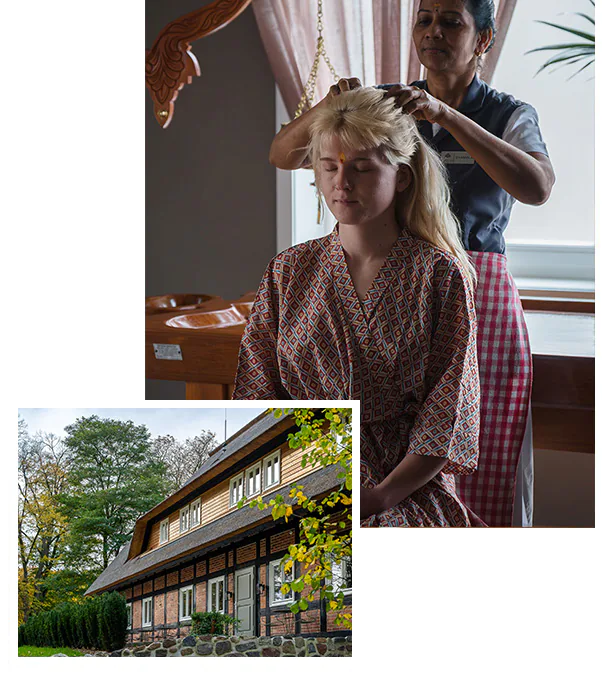
The location is fantastic, full of silence and nature. Beautiful thatched houses, daily doctor consultations, lake access after sauna, and peaceful surroundings made these 14 days unforgettable.

The entire team works with warmth, dedication, professionalism and sensitivity. Treatments, yoga, food and care created an unbelievable experience. It was a true game changer – not just a cure, but something much deeper.

Stay : January 24,2026 to February 07,2026
Wir haben eine Panchakarma Kur gemacht und ich muss sagen, die Behandlung und der gesamte Aufenthalt war weltklasse. Der Ort ist wunderschön, weitläufig und still. Perfekt für die innere Einkehr. Die täglichen Arztkonsultationen sind sehr profund. Zum Abschluss haben wir über eine knappe Stunde hinweg wertvolle Tips und Medikationen für zuause erhalten. Meine Behandlerin Anitha (Rock) hat goldene Hände. Sie hat sich sowas von ins Zeug gehängt, wow!!
Die Ärztinnen und Therapeutinnen waren alle sehr um unser Wohlergehen bemüht. Das Restaurant und der Service waren einzigartig! Auch hier, man ging immer super freundlich auf all unsere Bedürfnisse ein! Ein ganz toller Platz zum Heilen und Ankommen! Danke!
Ganzheitliche Erholung auf höchstem Niveau.
Stay : January 26 to February 09,2026
Wir waren nun zum zweiten Mal dort und wieder hat es uns außerordentlich gut gefallen und nachhaltig gutgetan. Besonders hervorzuheben ist das authentisch gelebte Ayurveda, das hier mit großer Kompetenz und spürbarer Hingabe praktiziert wird.
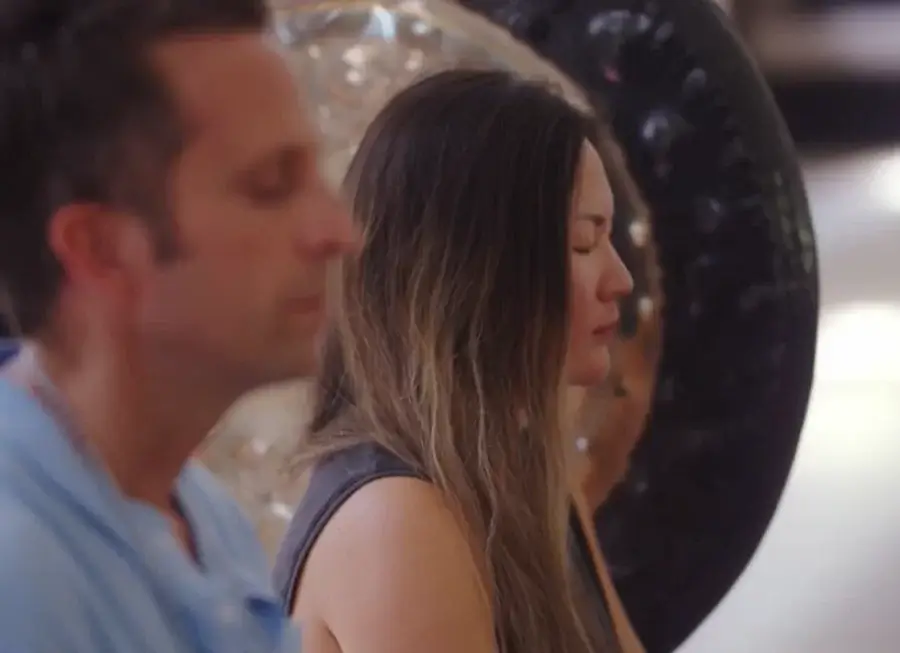
Auch Yoga und Meditation sind wohltuend angeleitet und fügen sich stimmig in das ganzheitliche Konzept ein: achtsam, professionell und zugleich sehr persönlich.
Das gesamte Team war durchweg herzlich und aufmerksam und ist auf unsere großen wie kleinen Wehwehchen intensiv und individuell eingegangen.
Zimmer, Park und Umgebung sind traumhaft schön und laden zum Innehalten ein.
Für uns ganz klar: Im nächsten Jahr sind wir wieder da.
Authentisches Ayurveda in Mecklenburg-Vorpommern
Stay : February 14, 2026 to February 11,2026
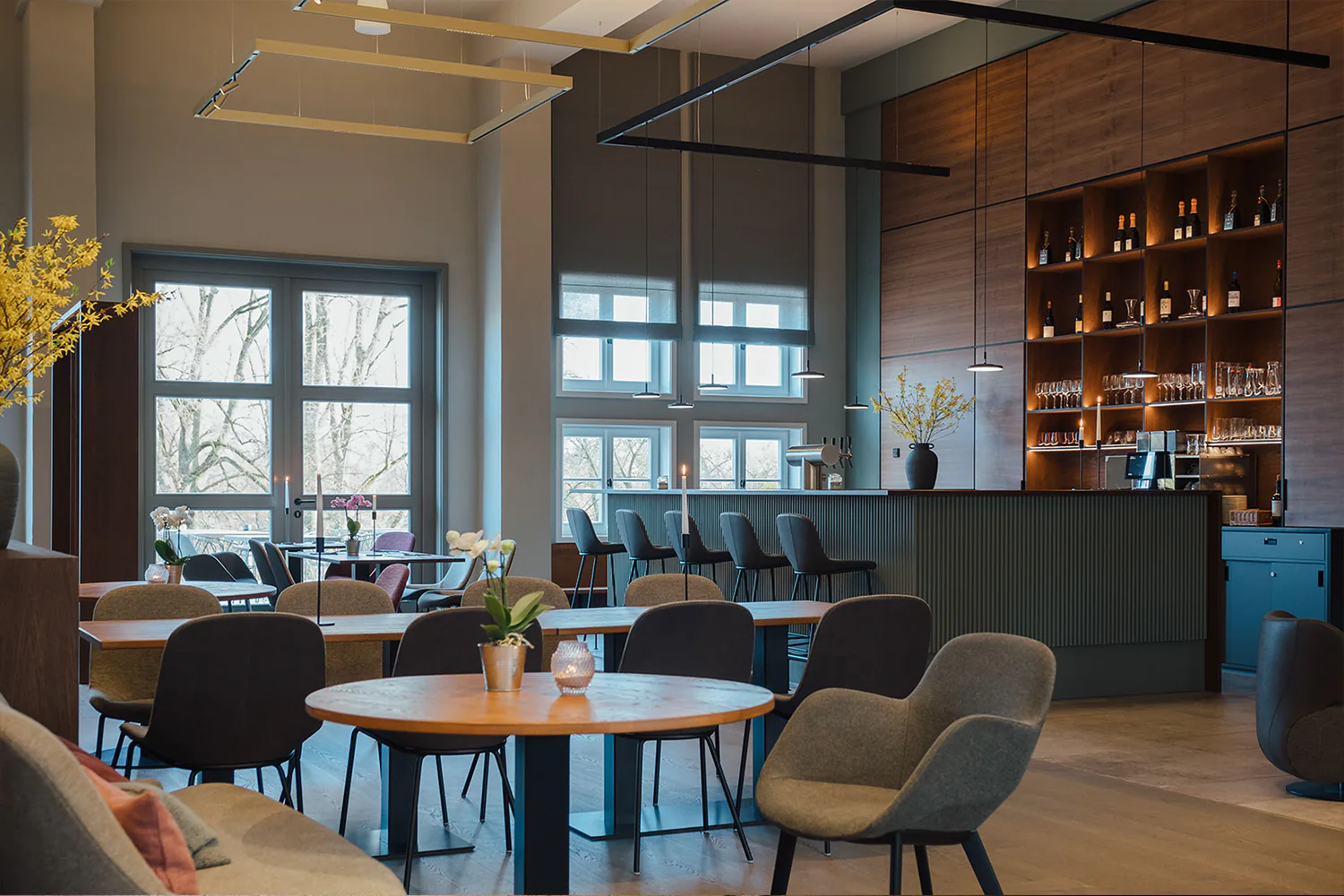
Ein besonderer Ort mit wechselhafter Geschichte in traumhafter Natur, sehr gute ayurvedische Betreuung durch indisches Ärzte-, Therapeuten-, Yoga - und Gastroteam, professionelle Vor- und Nachbereitung der Kur. Das Ambiente des hochwertig ausgebauten Restauranthauses weist noch auf die frühere Ausrichtung des Hotels hin mit großem mit Wein- und Sektgläsern bestücktem Bartresen und großem Saal, in dem wir uns etwas verloren fühlten.
Authentieke Ayurveda Retreat mooi ingebed in lokale omgeving
Stay : April 10, 2026 to April 17,2026
Op zoek naar een ayurveda retreat in de buurt ontdekte ik via Happysoultravel.nl deze prachtige plek. Ik heb er 1 week mogen verblijven en vond het elke cent meer dan waard. Alles klopt hier. In een ruim en heuvelachtig park aan een meer beland je in de wereld van Ayurveda. De ontvangst, de kamer, de behandelingen en het eten.... alles wordt met veel liefde, aandacht en kwaliteit gedaan en afgestemd op de individuele persoon en behoeften.
Elke dag is er een divers programma aanbod zoals bijv yoga, meditatie, kookworkshops, lezing over het toepassen van ayurveda thuis. In alles is de oprechte zorg en het welzijn van de gast voelbaar. Heel bijzonder.
Wat ik ook enorm gastvrij vindt, is dat je elk moment kan boeken en arriveren ipv op vaste data. Na deze week van diepe ontspanning en ontprikkeling voel ik me opgeladen, verjongd en rijk aan nieuwe impulsen voor meer balans in het dagelijks leven. Ik ga zeker terug! Namaste!
Für Ayurveda-Fans ist dies eine authentische Oase
Stay : February 26,2026 to March 05,2026
Die Anlage Park am See mit verschiedenen Häusern ist ein sehr schön und mit viel Liebe restaurierter Ort mitten in der Natur. Im weitläufigen Park mit direktem Zugang zum See war ich jeden Tag unterwegs und habe der Natur zugehört. Die Menschen, die diese Anlage betreiben, sind sehr freundlich. Man fühlt sich gut aufgehoben und willkommen und bekommt noch am Anreisetag im Ayurveda-Haus ein ausführliches Arztgespräch sowie anschließend eine erste ayurvedische Behandlung. Man hat über die Aufenthaltszeit in der Regel dieselbe Therapeutin bzw. denselben Therapeuten und wird super betreut. Die Küche ist voll auf Ayurveda ausgerichtet. Wichtig ist, dass jeder Gast eine auf sich zugeschnitten Behandlung inklusive Essen bekommt. Es gibt neben täglichen Yoga-Kursen, Vorträge, Kochkurse, Meditation, Mantra-Singen etc.. Außerdem hat die Anlage einen Fitnessraum, sowie eine Sauna. Im Sommer kann man am Seeufer kleine Saunen mieten u.a.m.. Für Ayurveda-Fans ist dies eine authentische Oase. Für mich war es das erste Mal, mich auf Ayurveda einzulassen. Es war eine spannende Erfahrung.
Entspannend, erholsam und bereichernd
Stay : February 13,2026 to February 20,2026
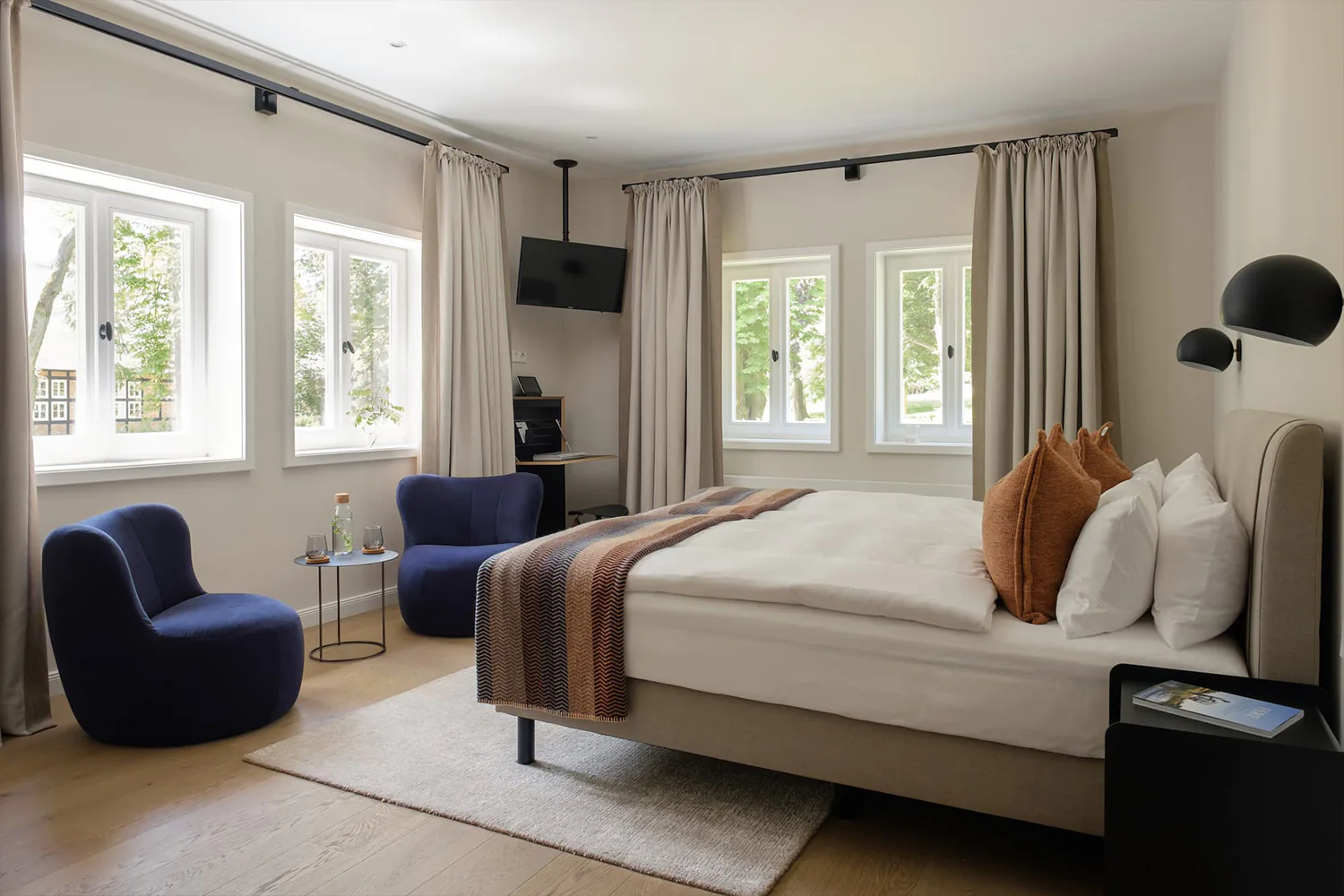
In einer wunderschönen Winterlandschaft waren wir eine Woche zu unserer allerbesten Erfahrung mit Ayurveda in dem Hotel. Sehr gute medizinische Betreuung, eine sehr erholsame und entspannende Zeit. Die Zimmer sind sehr gut ausgestattet. Die beiden Ärztinnen waren sehr bemüht, haben sich Zeit gelassen und gut beraten und konnten jede unserer Fragen gut und kompetent beantworten. Das großzügige Gelände lädt zum Spazierengehen ein und läßt erahnen wie schön hier andere Jahreszeiten sind. Die Anwendungen waren sehr gut, angenehm und erholsam. Die Qualität des Essens im Restaurant ist hervorragend. Der Service sehr freundlich und vorbildlich. Das Restaurant wie die ganzen Gebäude sind auf hochwertig renoviert und vermitteln eine angenehme Atmosphäre. Alles in allem sehr empfehlenswert und wir überlegen schon eine Wiederholung.
Maximale medizinische Bestleistung, gehobener Standart und wir kommen wieder !!!
Stay : February 11,2026 to February 15,2026
Mein Mann und Ich waren zum 2. mal im Park am See und werden ganz sicher im nächsten Februar wieder dort sein.
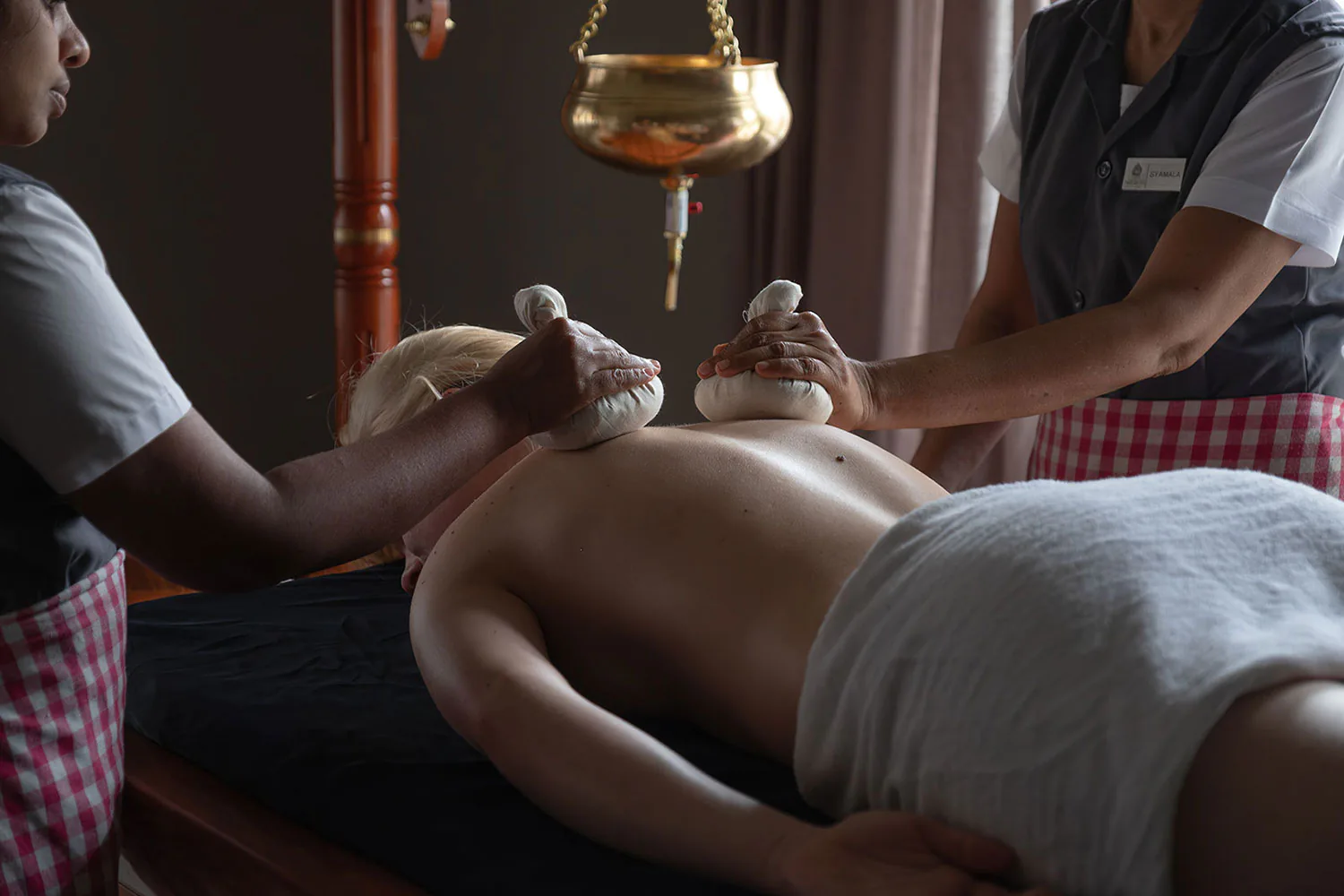
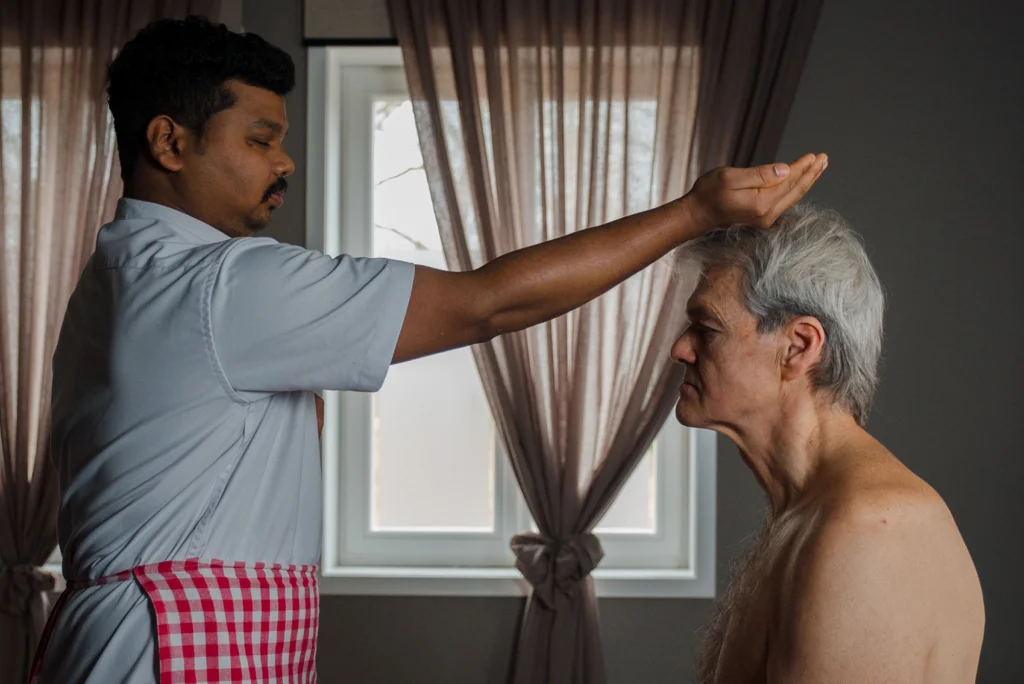
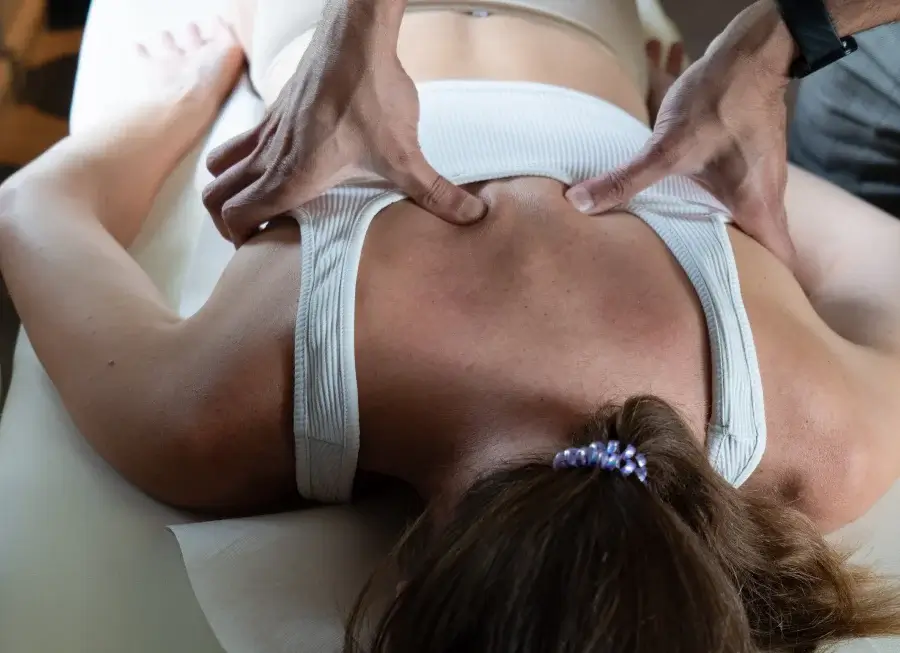
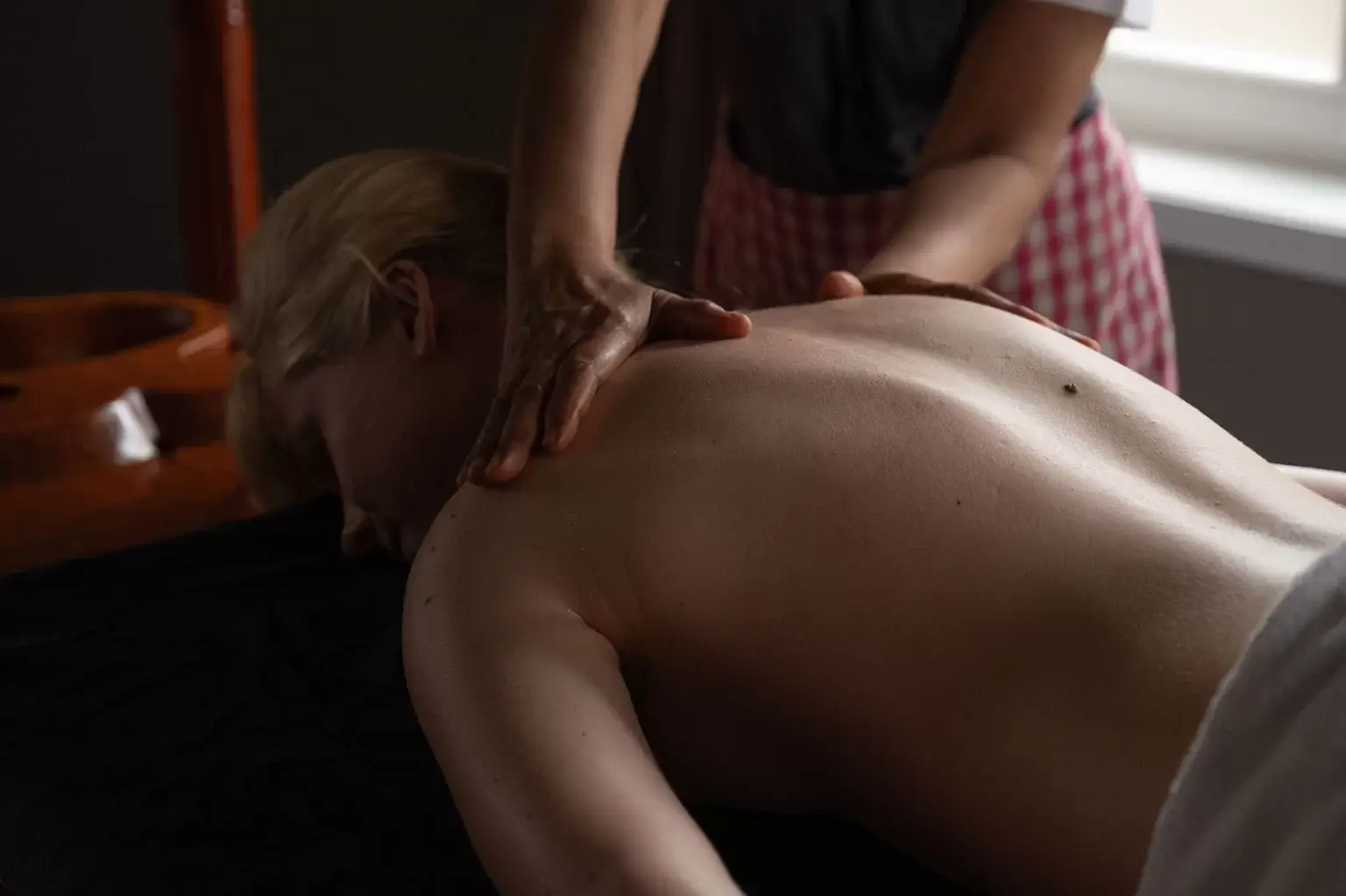
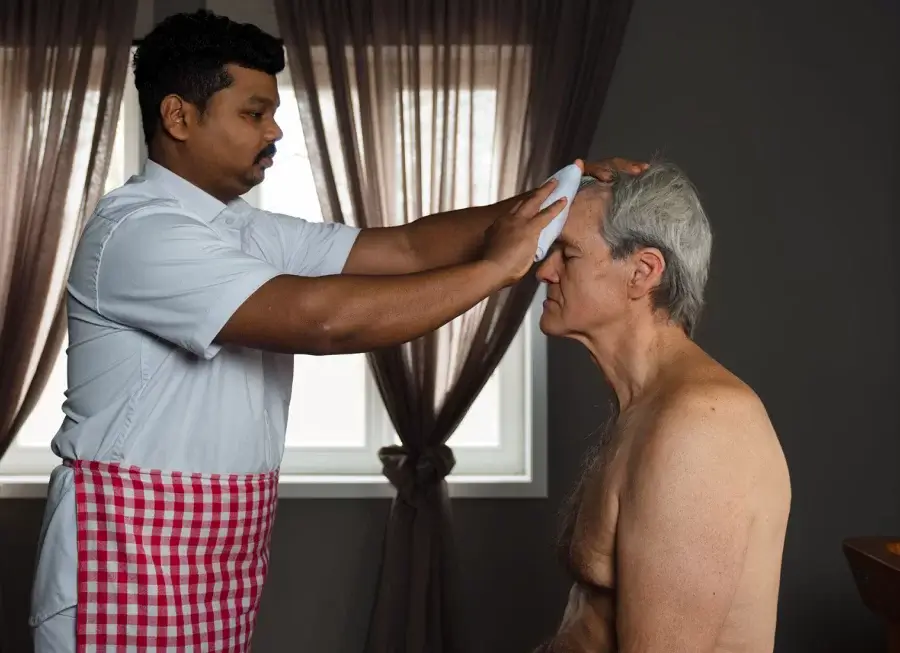
Die Anlage ist einmalig. Wenn wir nicht 10 Grad minus und Schnee gehabt hätten, wären wir im perfekten Indien Zauber gelandet. Das Konzept von Park am See ist einmalig. Zu erwähnen ist auf jeden Fall, dass sich in dem einem Jahr das medizinische Angebot und die Kompetenz und der Service auf das maximale verbessert hat. Da ich mich im Bereich Ayurveda Medizin sehr seht gut auskenne, kann ich sagen, dass man in Mecklenburg Vorpommern absolut professionell, authentisch und medizinisch erfahren beraten und behandelt wird. Dr. Alan ein junger Arzt aus Indien hat uns schon in der Consultation bestmöglich befragt und beraten. Wir haben jeden Tag die Möglichkeit gehabt mit Ihm zu sprechen und er war quasi rund um die Uhr für uns da. Dr. Alan hat alle Fragen beantwortet und einen ausgezeichneten Therapieplan erarbeitet. WIr haben jeden Tag 2 Stunden manual Therapie bekommen. Jeder individuell auf die bestimmte Indikation abgestimmt. Massagen, Auflagen, Stempel; Stirnguss und mehr.
Maximale medizinische Bestleistung, gehobener Standart und wir kommen wieder !!!
Stay : February 11,2026 to February 15,2026
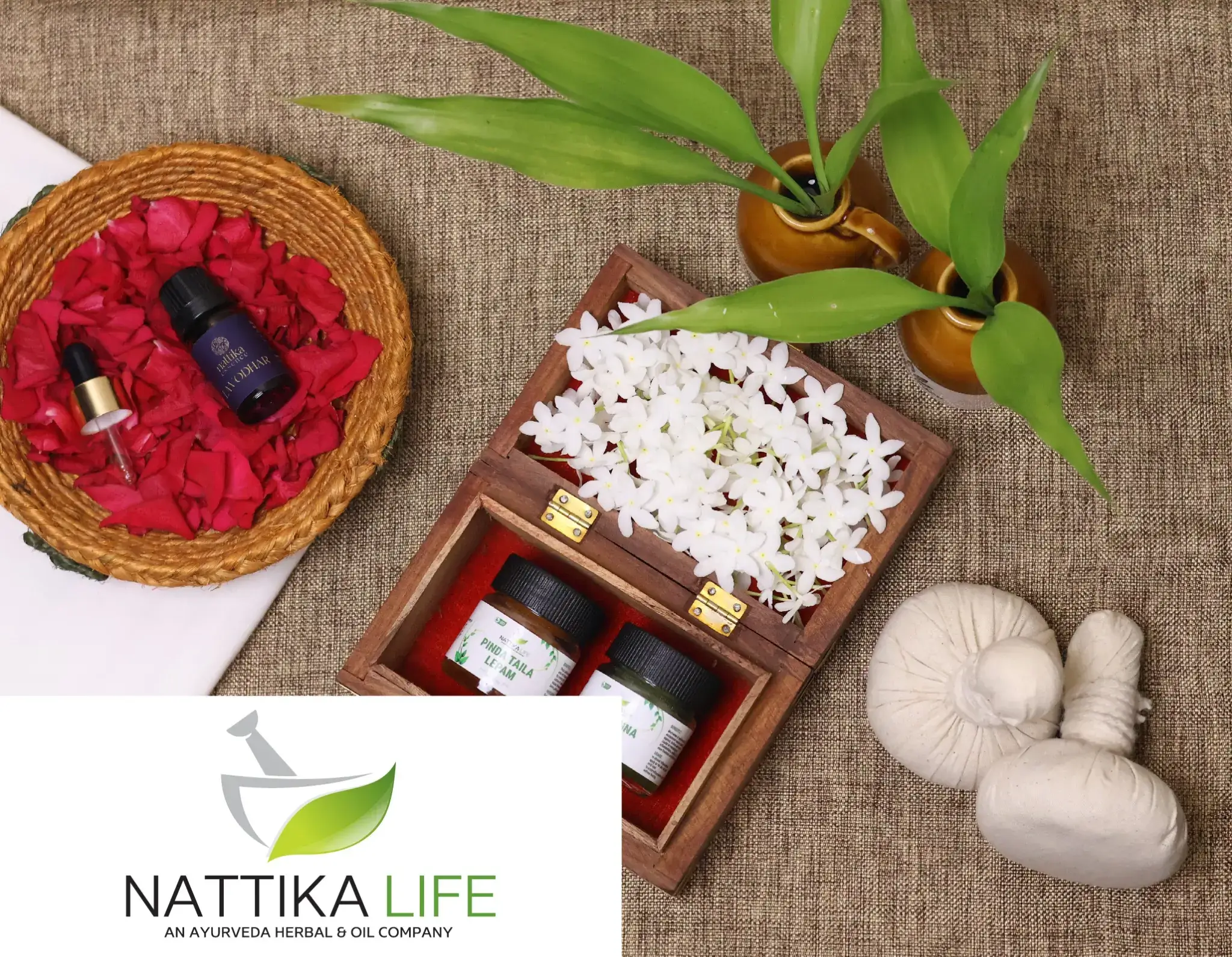
Die Öle waren perfekt abgestimmt und DIe Heilmittel für Jeden einzeln besprochen und erklärt. Die Therapeuten waren professionell und sehr gut ausgebildet.
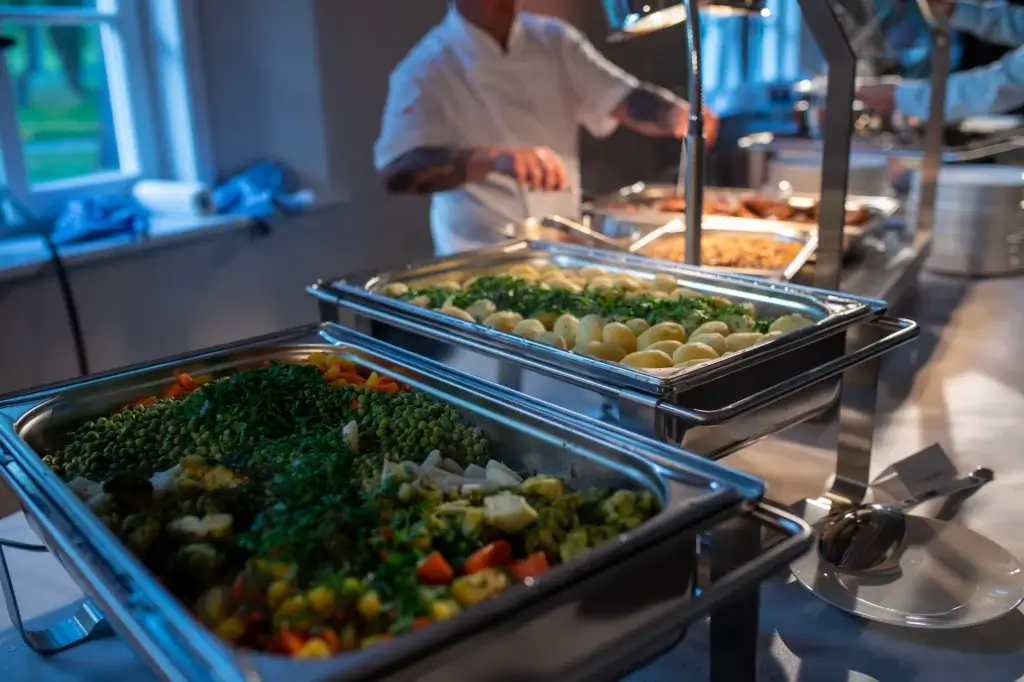
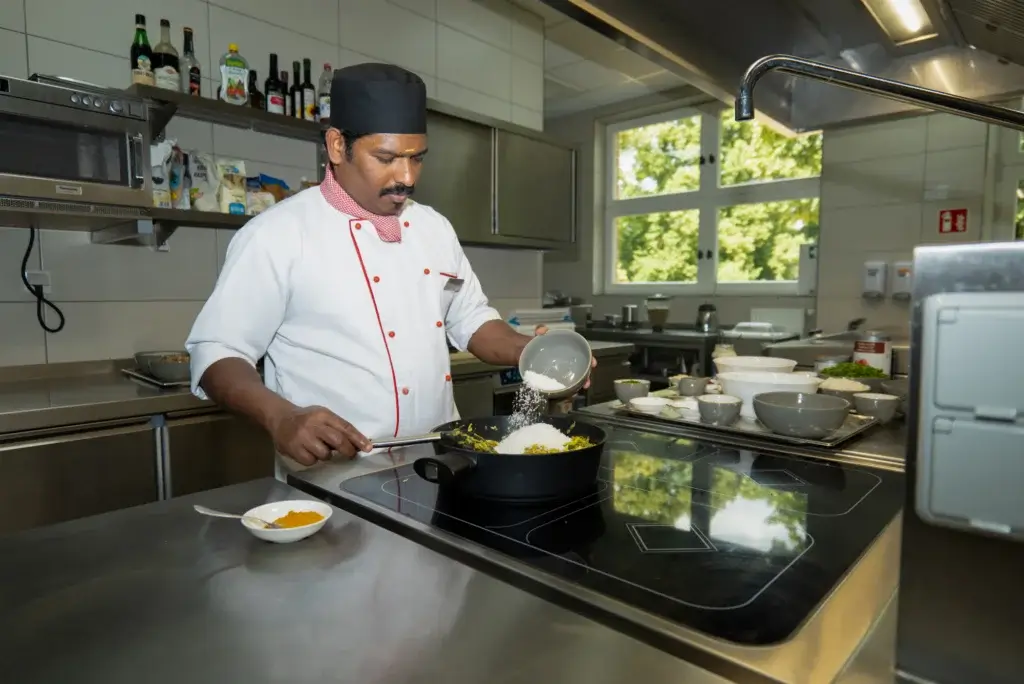
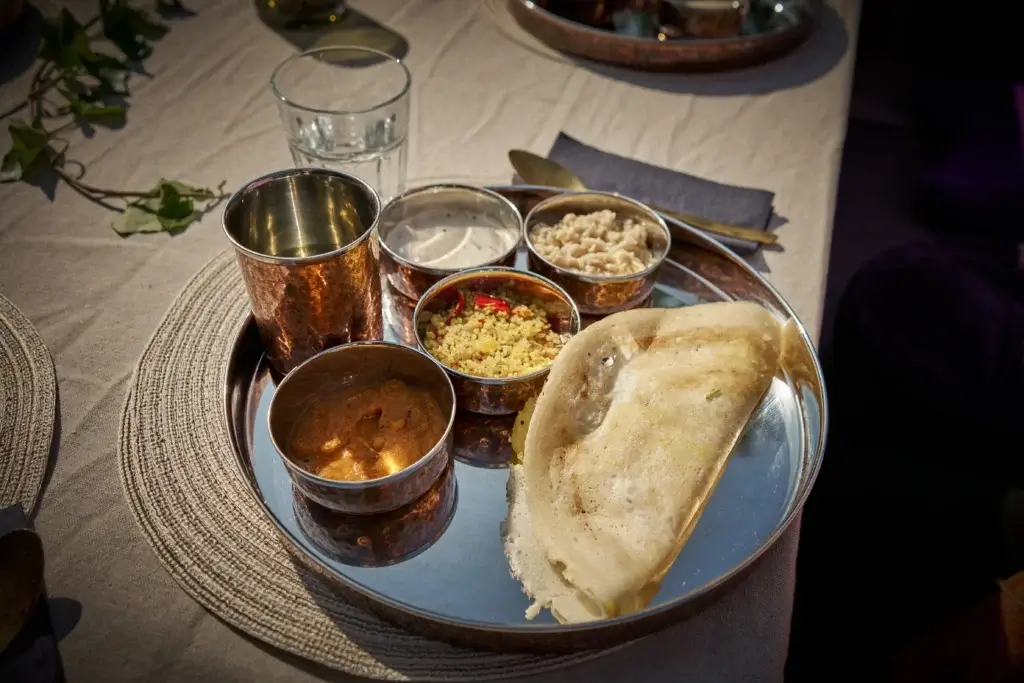
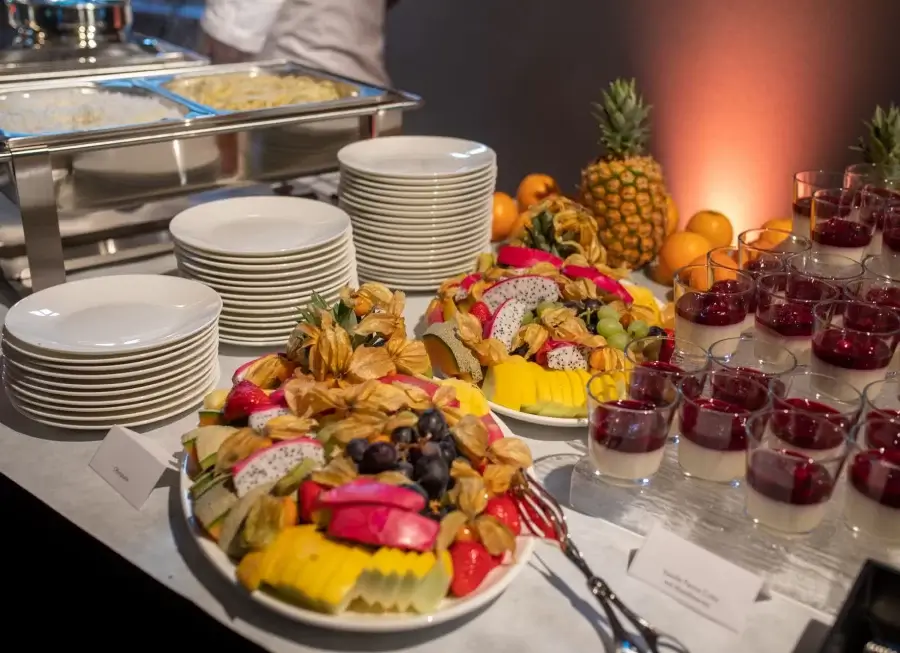
Das Essen war individeuell abgestimmt. Man bekommt täglich sein Essen in Form einer Tablette erklärt. Nährstoggangaben und Empfehlungen sind darin enthalten. Das inische Küchenteam war spitze. Der Koch geht gern von Tisch zu TIsch und fragt nach Extrawünschen. Mein Mann konnte Nachschlag bekommen so viel er gern mochte.
Yoga und Meditation wurde von einem Yogameister aus Indien angeboten.
Das Gym ist sehr sehr modern eingerichtet und auch so ist der Standart im Park am See sehr gehoben und lässt keine Wünsche offen.
Der Park ist ein Traum und lädt zum spazieren und verweilen ein.
Ein großes Lob an die Geschäftsführerin, die sich täglich den Gästen widmet und auch hier ein Wohlfühlgefühl zu erzeugen.
Absolutely worth repeating ❤️
Stay : April 12, 2025 to April 19,2025
I spent a week at Nattika Ayurveda and came back so relaxed and refreshed. All the staff are very friendly and concerned about the well-being of the guests. The resort is in a very beautiful and quiet location. There are many ways to spend your free time after the treatments, whether reading by the lake, paddling, a bike tour around the lake....It's just great here and you find yourself again. I would love to come back.
A place of peace and relaxation
Stay : March 16, 2025 to March 21,2025
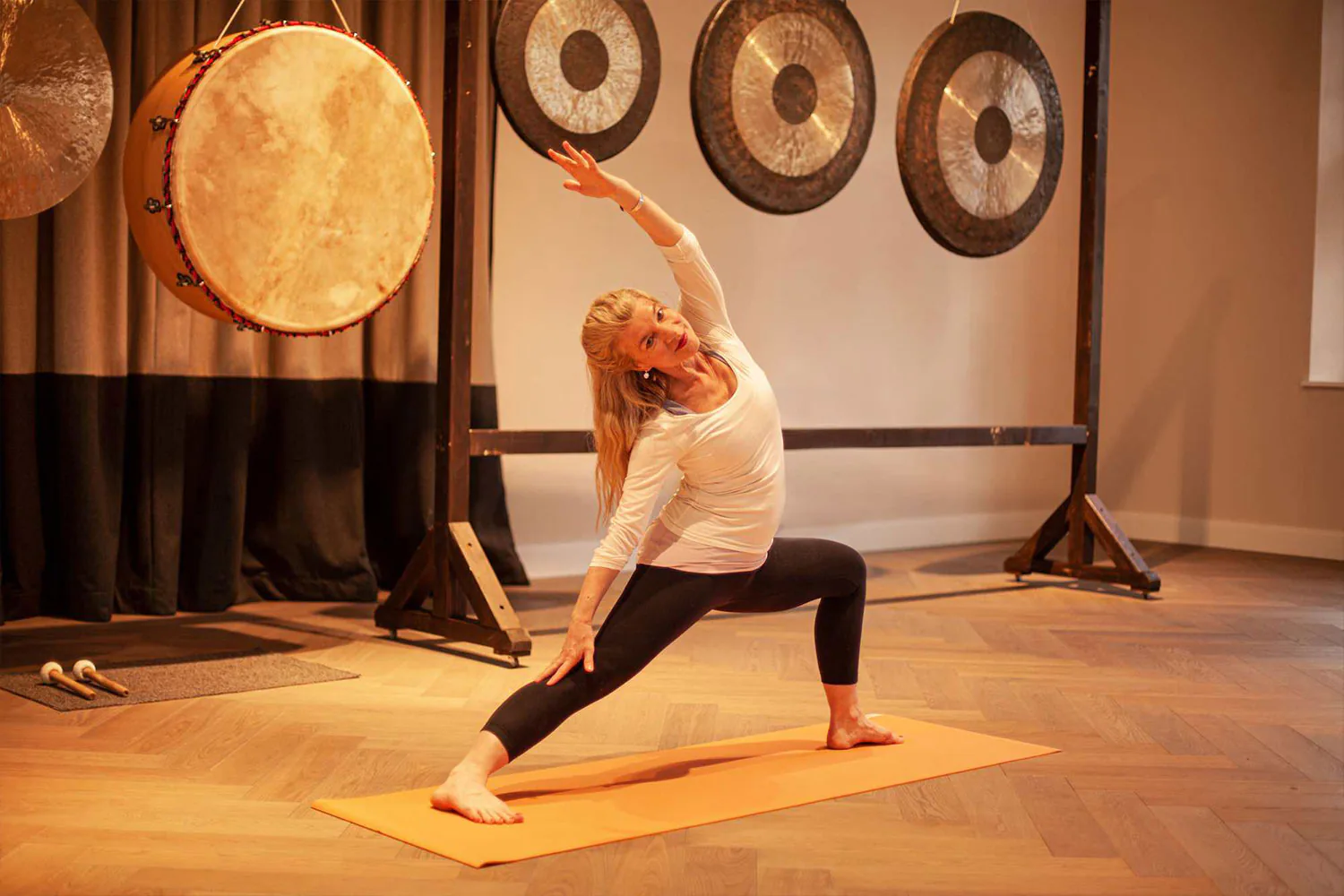
A place of peace and relaxation - simply beautiful. I was able to experience my first Ayurveda retreat for just under a week at Park am See. The Ayurveda crew, consisting exclusively of Indian specialists, welcomed me with exceptional warmth and care. Their treatments, the Ayurvedic food and the sensitive care provided by the Indian doctors made my stay a very special experience. The morning meditation and yoga session with the Indian yoga teacher in the beautiful thatched hall was the perfect start to the day.
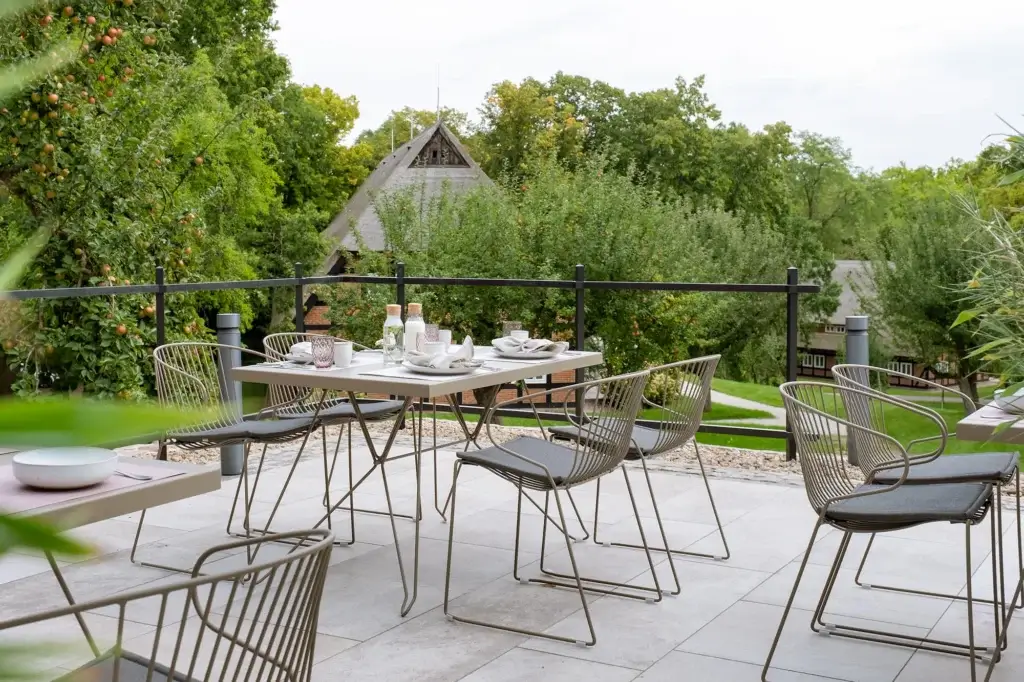
The hotel itself is picturesquely situated on Lake Tollensesee and has a modern, high-quality design with great attention to detail. I have particularly fond memories of the quiet moments in March when I sat on the jetty, engrossed in a book, with only the water birds to be heard.
I can thoroughly recommend the hotel and the Nattika Ayurveda retreat to anyone looking for a relaxing break. I was particularly impressed by how the owner's bold and innovative idea and the commitment of the entire team transformed the area's difficult Nazi history into something new and positive.
Come back !!!
Stay : February 1, 2025 to February 15,2025
"Treatment by the Indian doctors and the colleagues from the massage department are very professional and attentive. Treatment methods and equipment are as I know it from India. The same applies to the excellent cuisine, tailored to the individual treatment and the care provided by the service staff. The location is ideal for retreat and tranquillity, which in my view are important for an Ayurveda treatment. The huge park with access to Lake Tollensesee and the surrounding area are wonderful for walks. For a longer stay, an apartment, very clearly and comfortably furnished, is just right."
Good Ayurveda offer in Germany with valuable relaxation
Stay : January 10, 2025 to January 24,2025
"The Nattika Ayurveda Resort is beautifully situated - on a large lake. We used free time for short hikes. The accommodation is simple - with good beds. The dishes are vegan and really tasty. They are cooked and served with love in a lovely restaurant. My girlfriend and I had a wonderful wellness stay with excellent yoga classes - for beginners like me - every day - because participation was voluntary and really fun. We have been to a good resort in India several times in the past - but this year we chose the easier journey within Germany and have not regretted it for a day. Good for beginners and pros of all ages."
The best investment in yourself!
Stay : January 10, 2025 to January 24,2025
"It will hardly be possible to name all the positive experiences. So this can only be an excerpt.
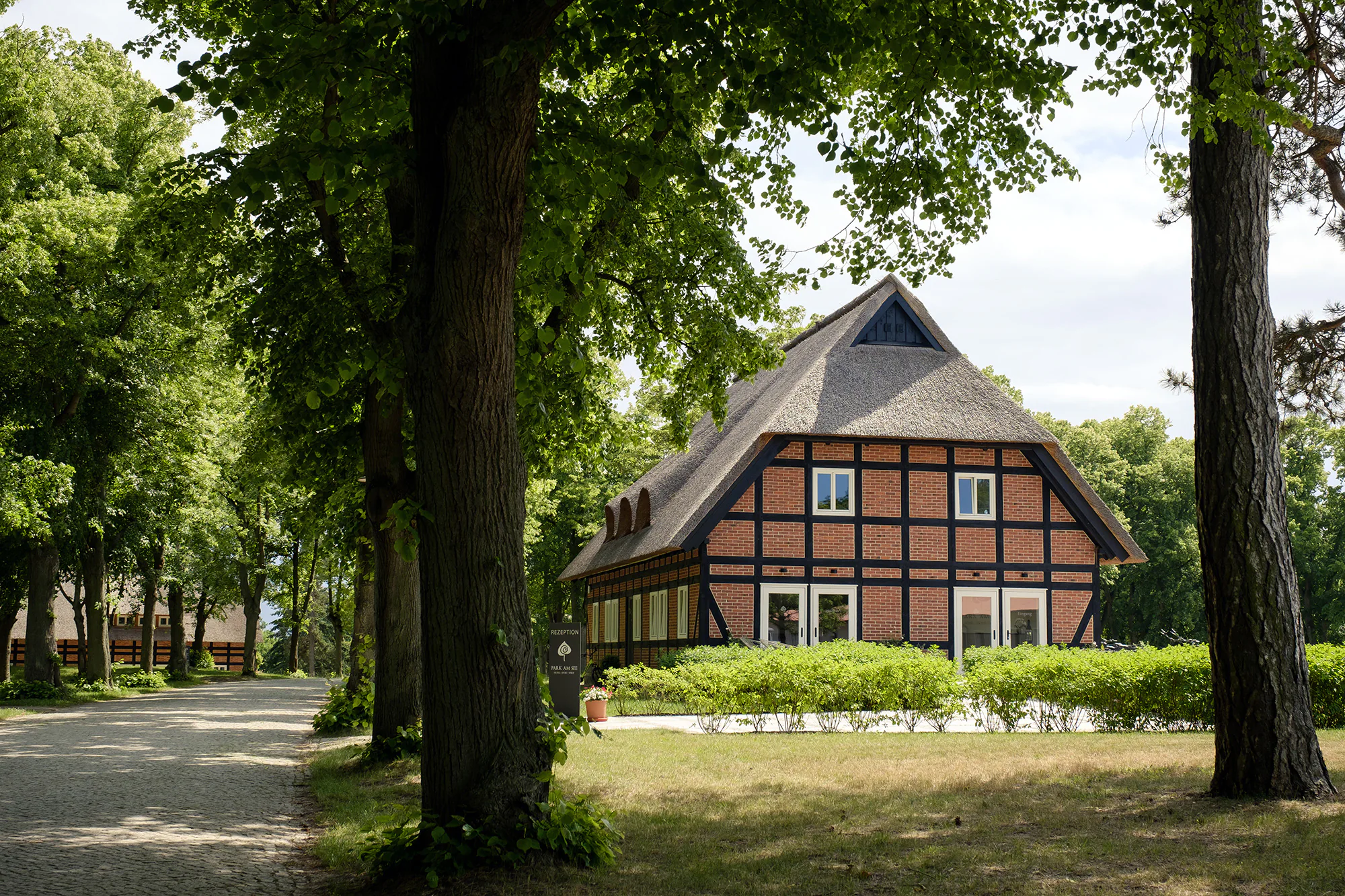
The property is in a fantastic location and exudes natural tranquillity. An incredibly beautiful old tree population, birdsong, deer, sky, the Tollensesee lake with the clearest water. It can be used after the sauna. The beautiful grounds always have places to sit and simply gaze into the air. Silence.
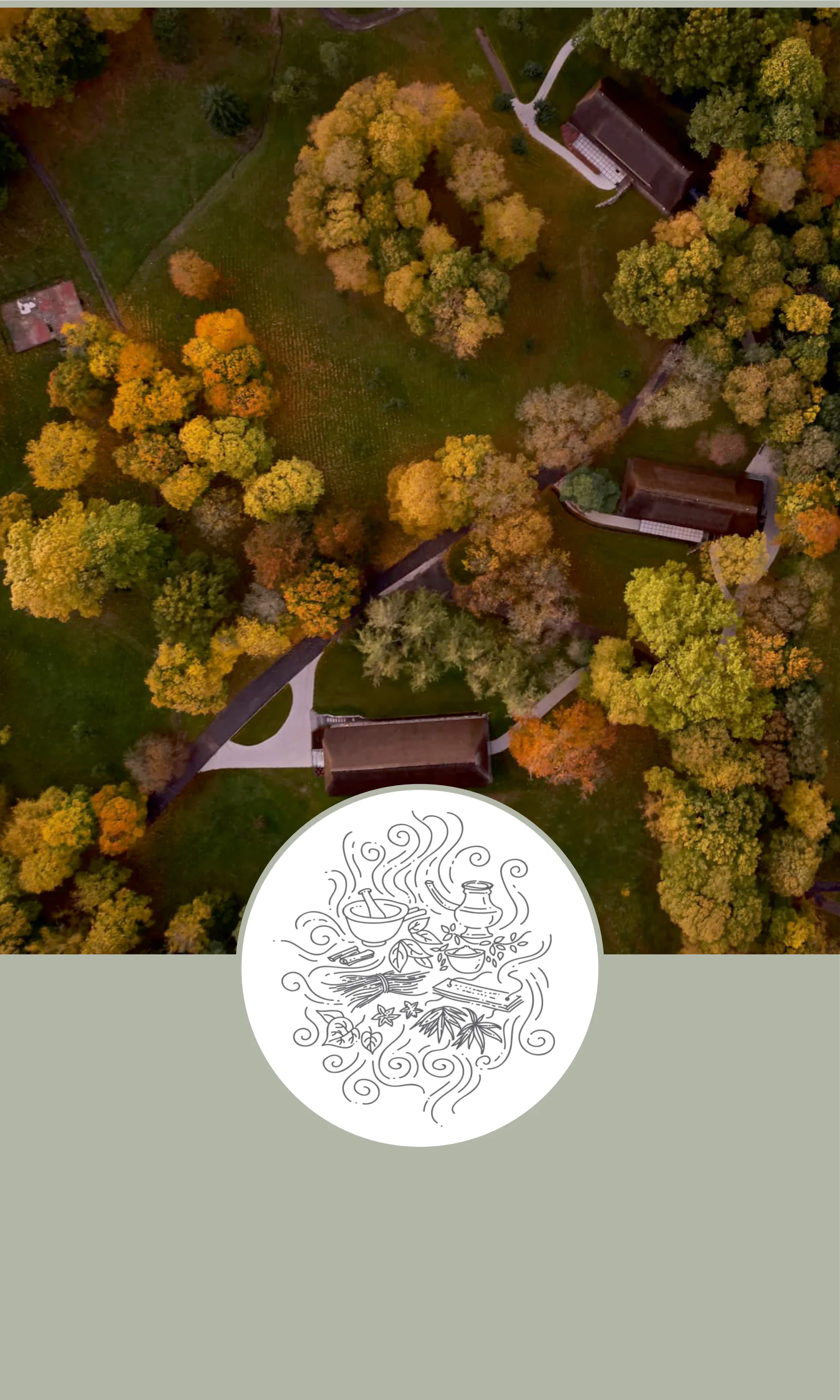
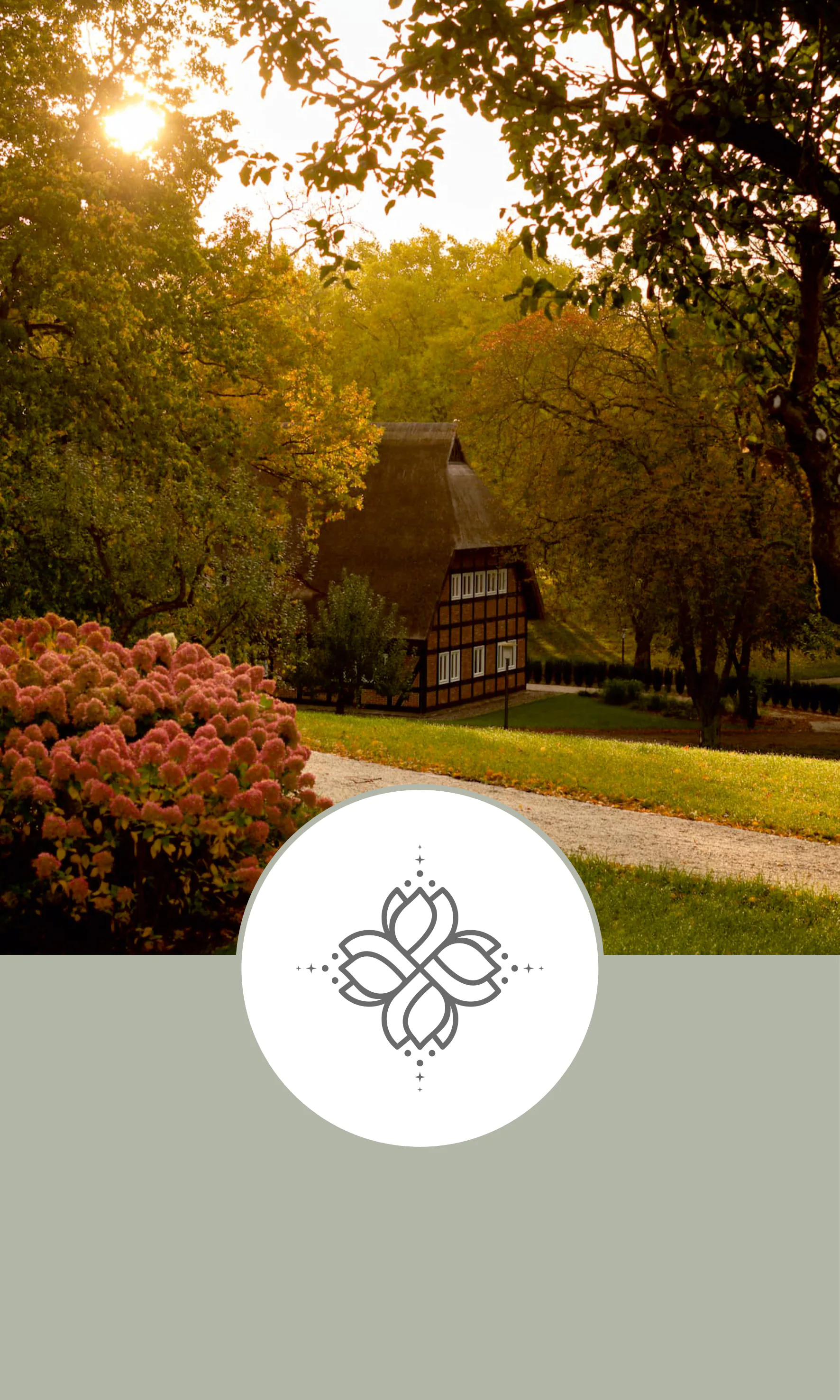
Thatched-roof houses, lavishly renovated and furnished to a high standard, serve as accommodation, for Ayurveda treatments, as a restaurant and a yoga center. It's wonderful that they are scattered around the park.
14 days in these beds and you want to take it with you.
The consultations by the doctors take place daily (!) and the treatment program is adapted to the concern, condition and measured by the progress."
"During the treatments, I was able to benefit from a variety of different massages and practices. I had the best therapist in the whole world! (Viji - you know how much I love you!) Nevertheless, it should be mentioned that the entire team is there for you with warmth, dedication, humanity, professionalism, a high degree of sensitivity and consistently high quality in everything they do. Unbelievable. The restaurant follows suit seamlessly. The kitchen works its magic, the team in the restaurant creates an incredibly pleasant atmosphere and mood. Every wish is not thought of and already fulfilled. I am not exaggerating here. I received gifts galore in the form of well-being, weight loss in the easiest way, slowing down in the best sense, being seen with what you bring, everything is allowed. For me it was a game changer and I can only say: you have to have done it to understand that it's not just a cure. It's great without words! Oh yes, yoga is brilliant and you actually want to take the teacher home with you, just like the cook and the therapists. That would be a nice Aryurveda life."