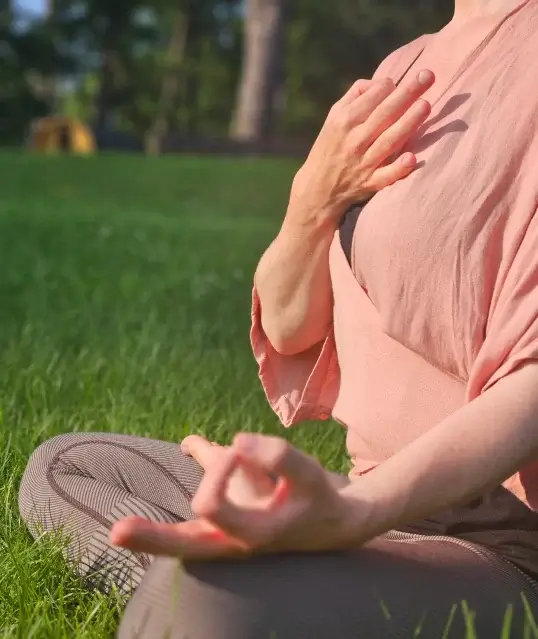
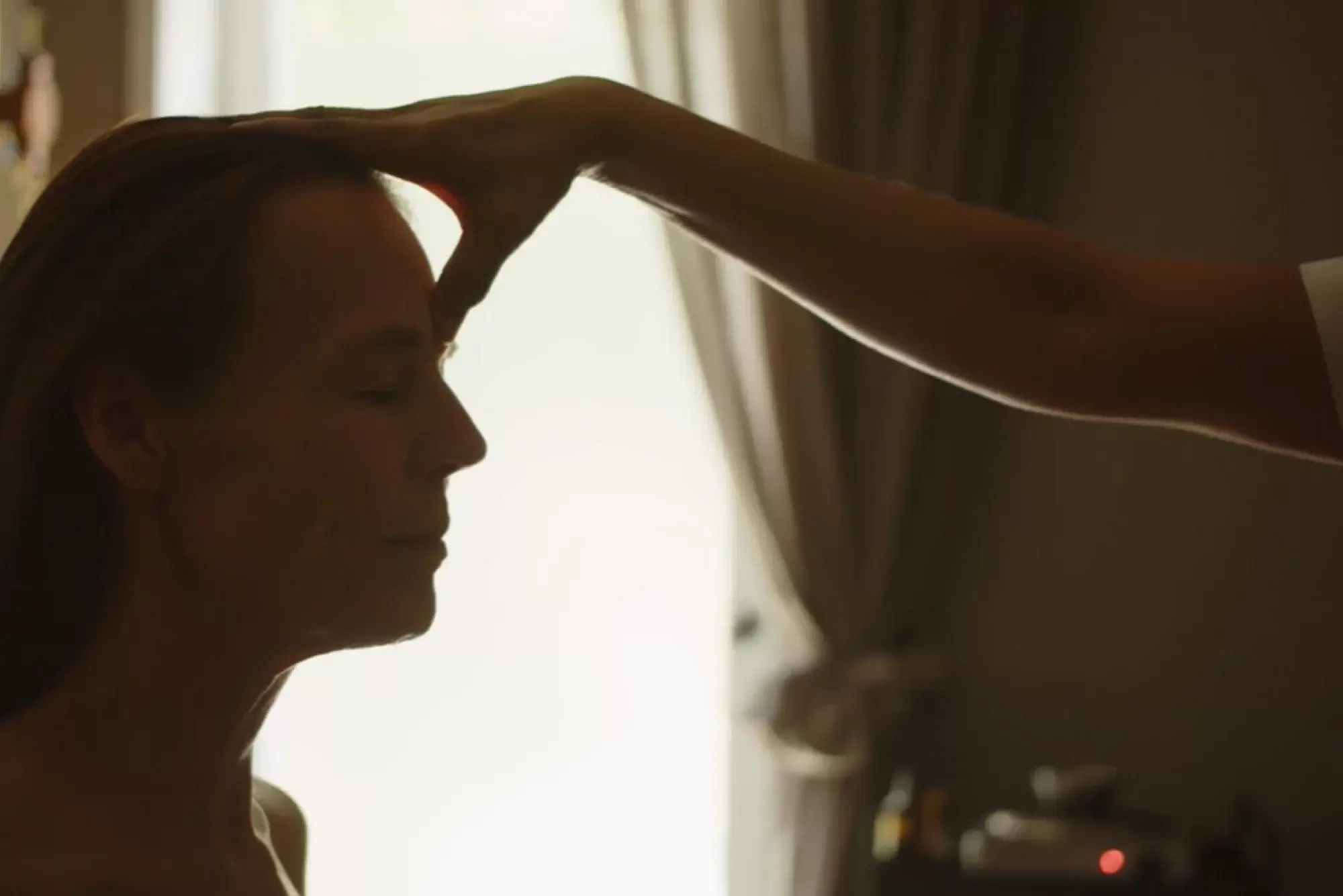
Through this targeted breath control, the autonomic nervous system is harmonized, the body synchronizes, and a meditative state is created that promotes concentration and emotional stability. Ayurveda also describes that Prana must flow freely to maintain vitality, mental clarity, and emotional balance. When the breath gets stuck, the inner balance also gets stuck. Through regular practice of these three phases, such blockages gently dissolve and a deep feeling of calm arises. This is a holistic approach to strengthening life energy, which we explain in detail in our treatments.
The most important Pranayama techniques and their effects
Ayurveda and Yoga use many breathing techniques that create different effects on the mind and body. Some of the most popular and effective are:
• Nadi Shodhana (alternate nostril breathing): Harmonizes both brain hemispheres, calms the mind, and promotes emotional stability.
• Ujjayi breath: Warms the body, strengthens concentration, and gives deep inner presence.
• Kapalabhati: Activates metabolism, clears the mind, and helps release stagnant energy.
• Bhramari (humming bee breath): A calming technique that noticeably relaxes the nervous system and heart rate.
These breathing techniques work not only during the practice but also create a foundation for resilience and mental balance in daily life. More application ideas can be found in our healing methods.
What modern research shows about breathing techniques
The effect of Pranayama is now confirmed. Science and Ayurveda meet in fascinating ways:
• Stress reduction: Deep breathing activates the parasympathetic nervous system—the part responsible for relaxation.
• Improved heart variability: An important indicator of resilience and emotional stability.
• Cognitive clarity: Conscious breathing reduces mental scattering and improves focus and memory.
• Regulation of emotions: Breathing techniques act directly on the limbic system—the emotional center of the brain.
Thus, science confirms what Ayurveda has taught for thousands of years: the breath is a powerful tool for stabilizing the inner world.
Pranayama for Dosha balance
Since every person has an individual Dosha (constitution) in Ayurveda, the breathing practice is also adapted accordingly:
• Vata: Calm, grounding techniques like Nadi Shodhana or gentle extended exhalations bring stability and reduce inner restlessness.
• Pitta: Cooling breathing forms like Shitali reduce heat, irritability, and pressure to perform.
• Kapha: Activating techniques like Kapalabhati or stronger Ujjayi breathing promote lightness, drive, and mental clarity.
Before your cure begins, our experienced medical team guides you through a detailed consultation. This way, you understand exactly which Dosha should be balanced and which breathing techniques support your inner harmony best.
How to practice Pranayama safely and effectively
A powerful breathing practice comes from mindfulness, not effort. For a stable start, we recommend:
Start gently: Begin with a few minutes daily—quality before duration.
Sit upright: A stable, relaxed posture allows free breath flow.
Warm up with gentle movements: Light mobilization or yoga prepares the body well.
Stay mindful: Observe your breath without forcing it.
Rest afterward: A few moments of stillness after practice intensify the effects.
More advanced breathing and body practices are presented in our Yoga & Therapy program.
Why Pranayama is so transformative in a retreat
In the Ayurveda cure, we combine traditional breathing techniques with modern therapeutic support. The calm nature, structured daily routine, and mindful guidance of our Ayurveda team create a space where Pranayama is not only taught but truly experienced. Many guests say that the breath finally “arrives” here, free, without pressure, without expectations.
Pranayama as a key to mental clarity and emotional strength
Pranayama is a powerful path to more balance, inner peace, and mental stability. Through conscious breath control, you activate natural self-healing powers, harmonize the Doshas, and create deep access to your own center. In the Retreat Park Am See Nattika Ayurveda, we support you mindfully and individually so that the breath becomes a tool for your sustainable inner strength.