

A depressive mood can affect emotional well-being, sleep, motivation, and everyday activities. Understanding the symptoms and possible causes is an important first step towards finding appropriate support. Alongside physical activity, social connections, and a structured daily routine, relaxation practices may help support well-being. Ayurveda offers complementary approaches such as yoga, breathing exercises, and traditional oil massages. An Ayurveda Stress Relief Retreat can provide an opportunity to focus on rest, mindfulness, and mindful recovery.
A depressive mood refers to a period of sadness, low motivation, or emotional exhaustion. These feelings may occur after difficult experiences, during stressful periods, or when everyday demands become overwhelming. While a depressive mood may be temporary, persistent symptoms can affect daily life and quality of life.
A depressive mood does not automatically mean that someone has clinical depression. However, if symptoms persist, become more severe, or interfere with everyday activities, medical or psychological assessment is advisable.
The signs of a depressive mood vary from person to person. Common symptoms include:
These symptoms can have different causes. If they persist or worsen, seeking professional support is important.
A depressive mood can develop due to several factors that often interact. These may include psychological stress, lifestyle changes, physical health conditions, and difficult personal circumstances.
Possible contributing factors include:
There is not always one identifiable cause. A medical assessment can help identify possible physical factors and determine suitable support.
What helps with a depressive mood depends on individual symptoms and how long they have been present. Small lifestyle changes can provide a helpful starting point. Professional support is particularly important when symptoms are persistent or severe.
| Outdoor physical activity | May support mood and a regular daily rhythm |
| A consistent routine | Provides structure and encourages healthy habits |
| Adequate sleep | Supports recovery and general well-being |
| Social connections | Can reduce loneliness and provide emotional support |
| Mindfulness and relaxation | May help reduce stress and tension |
| Professional support | Helps assess symptoms and identify suitable treatment options |
Start with small, achievable steps. A short walk, regular meals, or a conversation with someone you trust can be a helpful beginning. You do not need to change every habit at once.
When your mood feels particularly low, simple activities may provide temporary relief. These might include taking a short walk, speaking with someone you trust, listening to calming music, trying a gentle breathing exercise or doing a favourite hobby that brings you joy.
Not every approach works equally well for everyone. If symptoms persist, worsen, or interfere with daily life, seek advice from a doctor or mental health professional.
Ayurveda is a traditional system of health that considers nutrition, movement, relaxation, and daily habits. Ayurvedic practices may offer complementary opportunities to incorporate mindful rest and healthy routines into everyday life.
However, Ayurveda is not an established standalone treatment for depression. Medical or psychological care should remain a priority when depressive symptoms persist.
Yoga combines movement, breathing, and mindfulness. Gentle practices can help people incorporate regular physical activity and periods of relaxation into their daily routines.
Pranayama refers to yogic breathing practices. Paying attention to the breath can provide an opportunity to pause and practise mindfulness. Learn more in our article on Pranayama for Mental Health.
Choose exercises that suit your physical condition. For people experiencing psychological difficulties, yoga and breathing exercises should complement, not replace, necessary treatment.
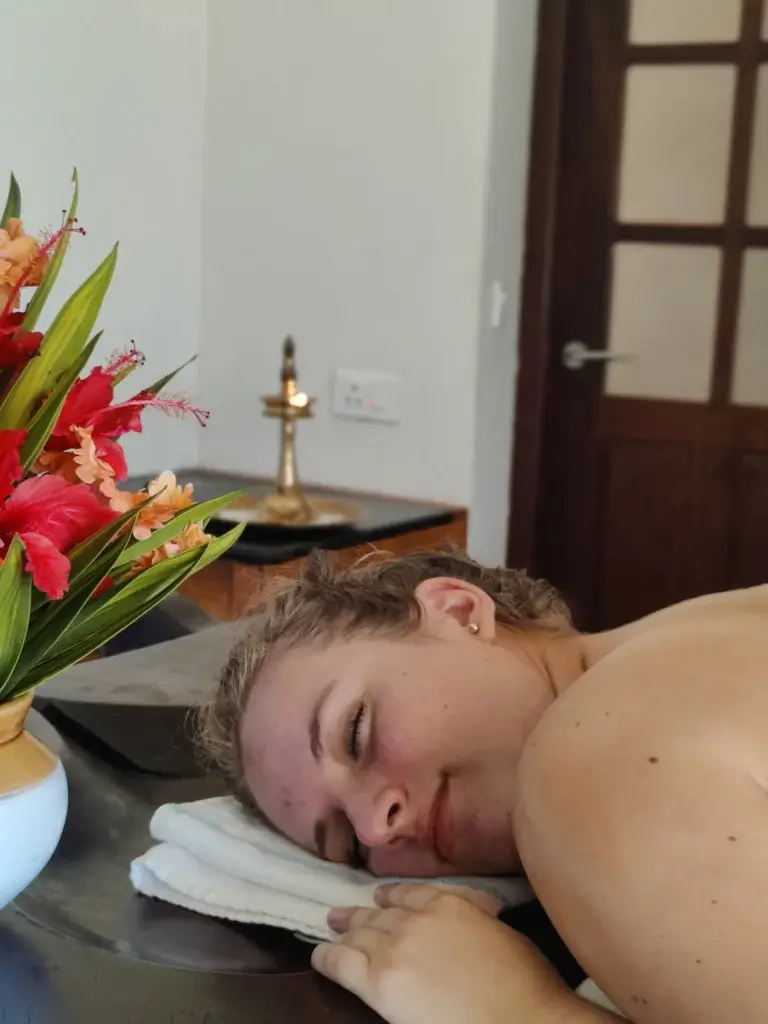
Ayurvedic massages, such as Abhyanga, are traditionally used to promote relaxation and physical well-being. A peaceful environment and dedicated time to rest may help people take a break from everyday demands.
The effects of massage vary between individuals. If you have an existing medical condition or are receiving treatment for depression, discuss additional therapies with your healthcare professional.
A balanced diet, regular meals, and sufficient sleep support general health. Ayurveda also emphasises mindful daily habits and adapting dietary choices to individual needs.
When motivation is low, simple routines can make everyday life more manageable. Regular mealtimes, short walks, and a consistent sleep schedule can provide structure.
A balanced diet may support overall well-being, but it does not replace necessary treatment for depression.
Prolonged stress can affect sleep, concentration, energy, and mood. People who feel persistently overwhelmed should take their personal limits seriously and seek support early.
An Ayurveda Burnout Recovery programme may provide opportunities for rest, relaxation, and mindful self-care. However, burnout, depressive moods, and clinical depression are different conditions. Persistent symptoms should be assessed by a qualified professional.
Panchakarma is a traditional Ayurvedic treatment approach involving individually selected therapies. It should not be considered a scientifically established treatment for depression.
Those interested in Ayurvedic therapies can learn more about a Panchakarma Cure in Germany. Suitable treatments should be selected with qualified professionals, particularly when an individual has an existing medical condition or takes prescribed medication.
No. Ayurveda, yoga, massage, and relaxation practices cannot replace necessary medical or psychological treatment, but they can provide relaxation and mindfulness alongside certain treatments, meditation and breathing exercises.
If low mood, loss of interest, exhaustion, or other symptoms persist, consult a doctor or mental health professional. Depending on the individual situation, psychotherapy, medication, or other evidence-based treatment options may be appropriate.
Do not stop or change prescribed medication without medical advice. If you experience suicidal thoughts or feel unable to keep yourself safe, seek immediate professional help or contact your local emergency service. In Germany, the Telefonseelsorge can be reached free of charge, around the clock, on 0800 111 0 111.
A depressive mood can make everyday life challenging. Physical activity, social connections, adequate sleep, and professional support may help people manage difficult periods. Ayurveda offers complementary opportunities for relaxation through yoga, breathing exercises, traditional massages, and mindful daily routines. These approaches should support, not replace, necessary medical or psychological treatment.
At Retreat Park Am See Nattika, Ayurvedic therapies and holistic well-being are central to the retreat experience. Those seeking a mindful break from everyday demands can learn more about the available Ayurveda programmes and consult qualified professionals to determine which approaches suit their individual needs.
Ayurveda may complement general well-being through yoga, breathing exercises, massages, and regular daily routines. However, it is not an established standalone treatment for depression. Professional assessment and appropriate treatment remain important.
Vitamin B12 and vitamin D deficiencies may be relevant to health in some cases. However, a depressive mood cannot automatically be attributed to a vitamin deficiency. A healthcare professional can advise whether testing or supplementation is appropriate.
A short walk, a conversation with someone you trust, or a gentle breathing exercise may provide temporary relief. Individual responses vary. Professional support is important if symptoms persist or worsen.
A depressive mood may be temporary and associated with difficult life circumstances. Clinical depression is a mental health condition that can involve persistent low mood, loss of interest, and other psychological or physical symptoms. A qualified professional can assess the symptoms and make a diagnosis.
