


Most people wake up to a notification. A phone alarm, a message that arrived overnight, the news feed already pulling them into the noise of the world before their feet have touched the floor. By the time breakfast happens, the nervous system is already in overdrive. By midday, fatigue sets in. By evening, sleep feels like a struggle.Ayurveda, the oldest practiced system of medicine in the world, identified this exact pattern more than 5,000 years ago. Its answer is called Dinacharya, the daily routine. It is not a wellness trend. It is a precise, repeatable sequence of morning practices that synchronises the human body with the rhythms of nature and restores energy, immunity and clarity from the inside out.
At Park Am See Nattika, our Ayurveda retreat on the shore of Lake Tollensesee in Mecklenburg-Vorpommern, Dinacharya forms the silent foundation of every guest’s healing journey. This guide explains the full routine, the science behind each step and how to begin practicing it at home.

Dinacharya (pronounced dee-na-char-ya) is a Sanskrit term made of two words: Dina, meaning day, and Charya, meaning conduct or regimen. Together they describe the disciplined sequence of practices Ayurveda prescribes from the moment of waking until going to sleep. The principle behind Dinacharya is simple. Every twenty-four hours, the human body cycles through predictable phases governed by the three doshas (Vata, Pitta and Kapha). When daily activities align with these phases, digestion, hormone release, immune function and mental clarity all work optimally. When they fall out of alignment, illness begins. Dinacharya is the bridge that keeps the body and the day in sync. This routine is documented in the foundational Ayurvedic texts of Charaka Samhita and Ashtanga Hridayam, and has been refined and practiced uninterruptedly for more than five millennia.
1. Wake up during Brahma Muhurta
Brahma Muhurta is the ninety-six minute window before sunrise, approximately 4:30 to 6:00 AM. Ayurveda calls this period the time of pure consciousness because the air is rich in oxygen, the mind is naturally calm and Vata energy supports easy elimination and clear thinking. Modern chronobiology confirms that cortisol peaks at this time, making it the ideal moment for waking. .
2. Dantadhavana (tooth cleaning) and Jihwa Nirlekhana (tongue scraping)
Brush the teeth with herbal powders containing neem, clove or licorice. Then scrape the tongue from back to front five to seven times with a copper or stainless steel scraper. Tongue scraping removes the white coating of Ama deposited overnight, improves taste perception, supports digestion and is now confirmed by dental research to reduce volatile sulphur compounds responsible for bad breath.
3. Mala Visarjan (elimination)
A complete morning evacuation is one of the most important markers of health in Ayurveda. The body's natural urge follows the warm water within minutes. Suppressing this urge is considered a primary cause of disease.
4. Ushapana (warm water on waking)
Drink one or two glasses of warm water immediately after waking. This simple act stimulates peristalsis, supports natural bowel movement and flushes accumulated toxins (Ama) from the digestive tract.
5. Gandusha or Kabala (oil pulling)
Swish one tablespoon of warm sesame or coconut oil in the mouth for 4-5 minutes, then spit it out. Oil pulling pulls bacteria from the gums and oral cavity, strengthens jaw muscles, whitens teeth naturally and supports lymphatic drainage in the head and neck.
6. Nasya (nasal oil application)
Put two to three drops of warm sesame oil or Anu Tailam (a classical herbal nasal oil) into each nostril and inhale gently. Nasya lubricates the nasal passages, clears sinuses, sharpens the senses and is considered one of the most effective Ayurvedic practices for mental clarity and the prevention of headaches. It is highly beneficial for diseases related to the head and neck.
7. Abhyanga (self-oil massage)
Warm a small bowl of sesame, coconut or almond oil and massage the entire body for ten to fifteen minutes before bathing. Abhyanga calms the nervous system, nourishes the skin, supports lymphatic flow, improves joint mobility and induces a deep sense of grounded wellbeing. It is widely considered the single most important daily practice in Ayurveda.
8. Vyayama (gentle exercise)
Exercises should be light, around fifty percent of personal capacity, and should leave the body energised, not exhausted. Yoga, walking and stretching are ideal. Yoga practice in the morning brings a particular benefit because it integrates breath, body and mind.
9. Snana (warm bath or shower)
A warm bath after Abhyanga and exercise removes excess oil, opens the pores and prepares the body for the day. According to Ayurveda, Snana removes fatigue, sweat, dirt and impurity from the body and brings energy and enthusiasm.
10. Dhyana (meditation) and breakfast
Sit in silence for ten to twenty minutes after the bath. Practice Pranayama or quiet meditation. Then take a warm, nourishing breakfast suited to your constitution. The morning is now grounded, the digestive fire (Agni) is awake and the day can unfold without imbalance.
Modern research increasingly confirms what Ayurveda has taught for thousands of years. Chronobiology, the science of biological rhythms, has shown that the human body operates on a precise twenty-four hour clock that regulates hormone release, body temperature, digestion and sleep. Dinacharya was the first medical system to recognise and codify this clock.
Specific examples of scientific alignment include the following. Waking before sunrise corresponds to the natural cortisol peak that energises the body. Warm water on waking activates the gastrocolic reflex, promoting elimination. Oil pulling has been studied for its effect on Streptococcus mutans, the bacteria responsible for cavities. Self-massage with warm oil has been shown in clinical studies to reduce cortisol levels, lower blood pressure and improve sleep quality. Tongue scraping reduces oral bacteria load significantly within minutes. What Ayurveda offers beyond science is integration. Dinacharya is not a list of tricks but a complete, daily framework where every step strengthens the next.
The benefits of Dinacharya at a glance
The full traditional Dinacharya can feel overwhelming at first. The Ayurvedic doctors at Park Am See Nattika recommend a gradual approach. Begin with three practices and add one new step every two weeks.
Week 1 and 2. Wake up fifteen minutes earlier each week. Drink warm water on waking. Scrape the tongue. Practice Nasya.
Week 3 and 4. Add oil pulling and Abhyanga twice a week.
Week 5 and 6. Add daily Abhyanga and gentle yoga.
Week 7 onwards. Add Pranayama and morning meditation.
Within two months, the full routine becomes a daily habit. The body begins to expect it.The benefits compound. What once felt like effort becomes the most peaceful and productive part of the day.
Reading about Dinacharya is one thing. Experiencing it, in a setting designed entirely around it, is another. At our retreat on the western shore of Lake Tollensesee, every guest’s day begins with the full Ayurvedic morning routine, supported by our team of Indian Ayurvedic doctors and therapists.
The day unfolds , with quiet walks by the lake, Ayurvedic meals at the ANADI restaurant, daily yoga and personalised Ayurvedic treatments. Within a week, most guests report deeper sleep, easier digestion and a clarity of mind they had forgotten was possible.
Our retreat is just 130 kilometres from Berlin, easily reachable by train, and offers the complete depth of Indian Ayurveda without the long flight.
You do not need an expensive supplement, a new app or a complicated fitness plan to begin healing. You need a routine that respects the rhythm your body already wants to follow. That is what Dinacharya offers, freely, ancient and unchanged.
Begin tomorrow with one practice. Wake fifteen minutes earlier and drink a glass of warm water before your phone. Then add another practice the following week. Within two months, your mornings will feel like the strongest part of your day, and the rest of your day will follow. When you are ready to experience the complete Dinacharya in the setting it deserves, with personalised guidance from Ayurvedic doctors, our retreat at Lake Tollensesee is waiting.
Begin your Ayurvedic journey at Park Am See Nattika.
Dinacharya is the Ayurvedic daily routine: a sequence of morning practices including early waking, drinking warm water, tongue scraping, oil pulling, nasal oil application, self-massage with oil, gentle exercise, bathing and meditation. The goal is to align the body with the natural rhythm of the day to maintain health and prevent disease.
Ayurveda recommends waking during Brahma Muhurta, the ninety-six minute window before sunrise, approximately 4:30 to 6:00 AM. This is when the body’s cortisol naturally peaks, the mind is clearest and the air is most oxygen-rich.
Regular practice of Dinacharya strengthens immunity, improves digestion, sharpens mental clarity, balances hormones, supports deep sleep, brings emotional stability, reduces inflammation and slows biological ageing. Most practitioners notice clear changes within two to four weeks.
Simple changes like warm water on waking and tongue scraping bring noticeable benefits within a week. Deeper benefits, including improved sleep, energy and immunity, typically appear within four to eight weeks of consistent practice.
Yes. Dinacharya is highly adaptable. The full traditional routine takes about ninety minutes, but a focused twenty-minute version including early waking, warm water, tongue scraping, oil pulling and short meditation already brings significant benefit. Consistency matters more than completeness.
Dinacharya is the daily routine, structured around the twenty-four hour cycle. Ritucharya is the seasonal routine, which adjusts diet, lifestyle and self-care practices according to the six Ayurvedic seasons. Both work together to maintain year-round health.
No, the foundational practices of Dinacharya are universally beneficial and safe for everyone. For deeper personalisation, particularly around oil choice, exercise intensity and breakfast composition, a consultation with an Ayurvedic doctor at a retreat like Park Am See Nattika is valuable.
Authentic, supervised Dinacharya practice is available at the Park Am See Nattika Ayurveda retreat on Lake Tollensesee in Mecklenburg-Vorpommern, just 130 kilometres from Berlin. Indian Ayurvedic doctors and therapists guide each guest through a personalised daily routine combined with classical Ayurvedic treatments.

Ayurveda, the traditional Indian system of medicine that is deeply rooted in nature, focuses on balancing the mind, body and spirit. Proper diet, daily regimen and ayurvedic nutrition methods are recommended for a healthy life. Sleep, diet-ayurvedic nutrition and proper regimens are considered as the three main pillars in maintaining health.
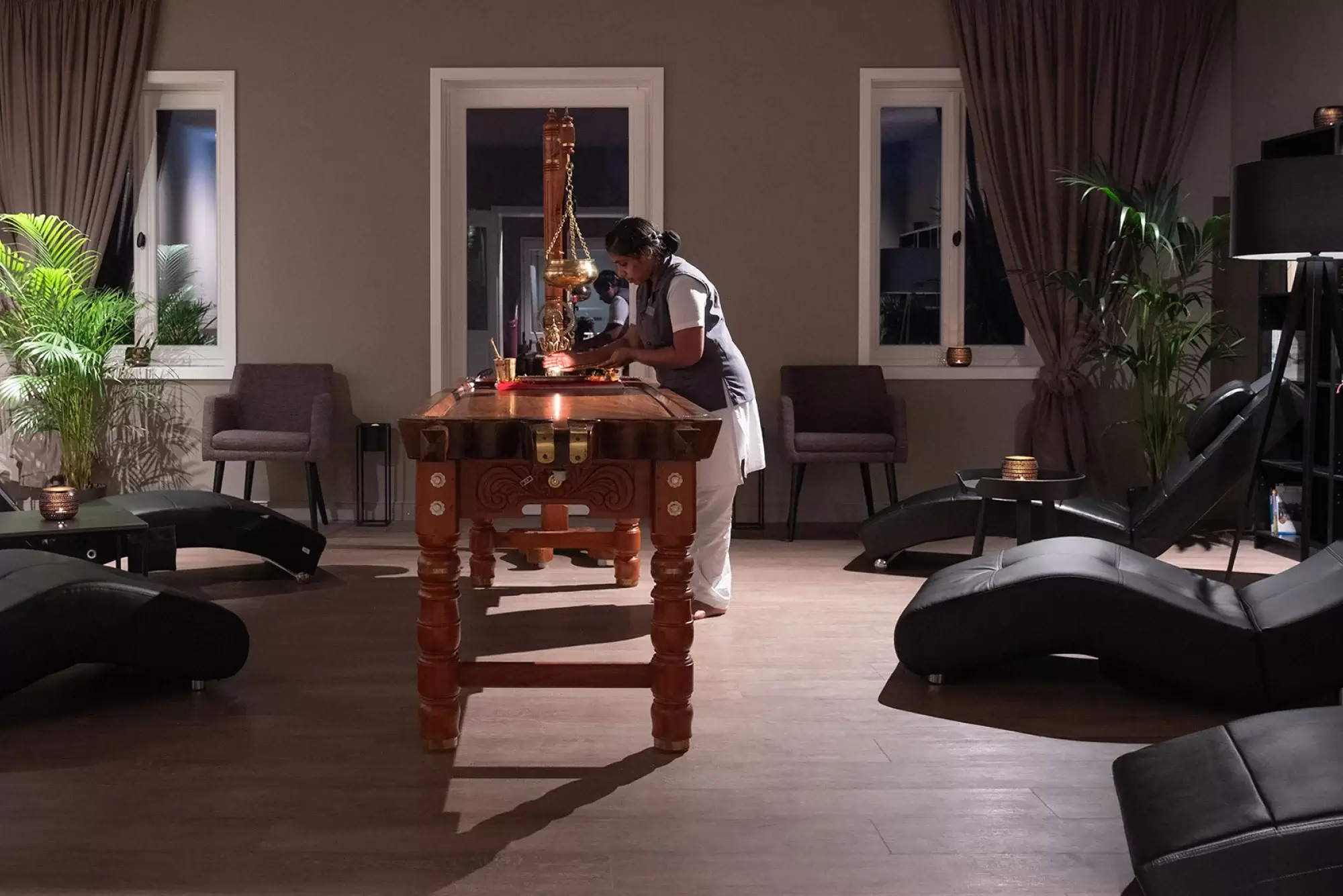
Ayurveda, the ancient Indian system of healing has persisted through thousands of years and continues to guide people towards a balanced and healthy life. Ayurveda is based on the principle that mind, body, and soul are strongly intertwined, enabling practical knowledge in laws of nature to prevent ill-health, restore health, and preserve life in a state of happiness.

For a while now, this powerful shift in lifestyle has been compelling the German populace: what to eat and how to eat it. Clean eating has become another well-known idea, along with nutrition and wellness, with clean food markets in Berlin and wellness retreats in the Bavarian Alps that connect to nature.